
Treating Complex Chest Wall Deformities with the Willine Procedure
A chest wall deformity does not appear in every patient as only a depression or only a protrusion. One side may sink inward while the other protrudes. In such cases, the position of the breastbone and both sides of the rib cage are evaluated together. The Willine procedure is one of the methods that can be considered in such selected deformities.
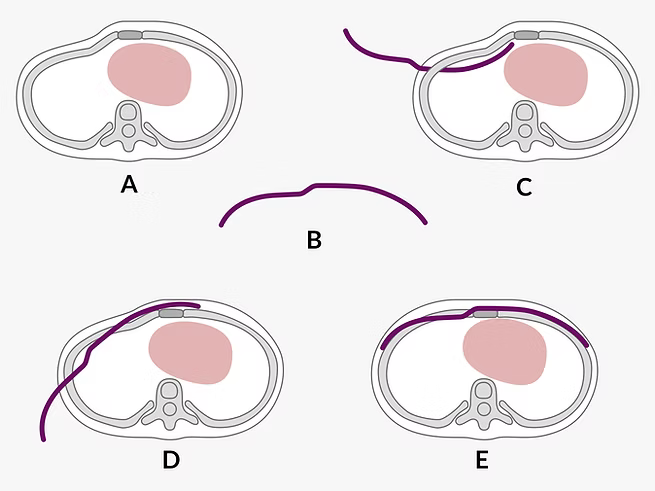
The basic principle of the Willine procedure
In the method described by Dr. Wenlin Wang and his team, one part of the same bar passes beneath the sunken structure and another part passes over the protruding structure. In this way, lifting and pressing effects can be used together in different regions. The aim is to address shape irregularities in different directions of the chest wall together.
Who can it be considered for
The method has been described for selected complex deformities in which depression and protrusion occur together, and for some cases of Poland syndrome. Not every asymmetry has the same cause. For this reason, muscle and other soft tissues are evaluated in addition to bone and cartilage structures.
In Poland syndrome in particular, the shape of the rib cage and deficiencies in muscle or breast tissue can create different treatment goals. Reshaping the chest wall does not replace missing muscle or breast tissue.
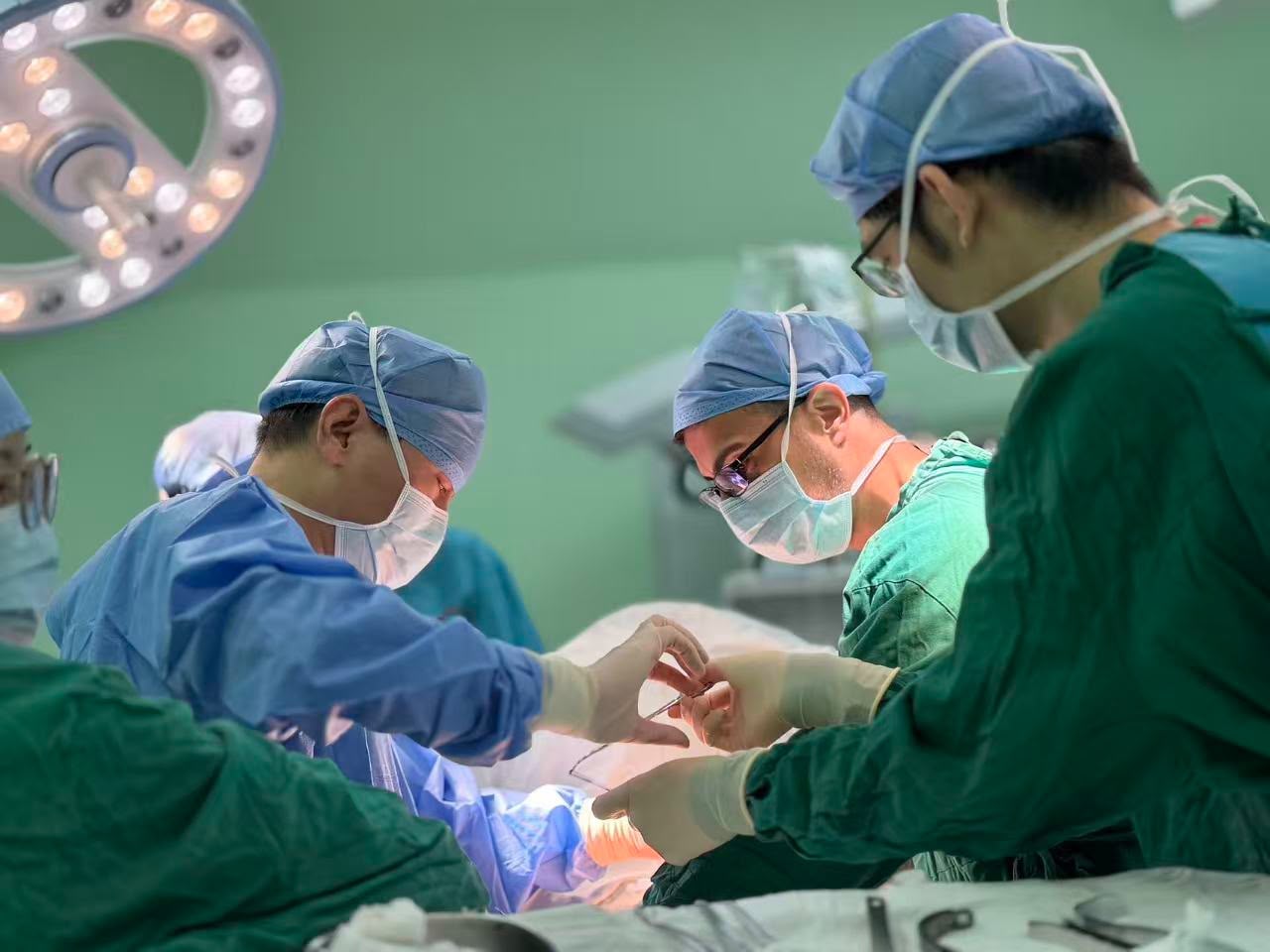
Dr. Hasan Ersöz and the Guangzhou experience
In July 2026, I visited Dr. Wenlin Wang’s center in Guangzhou and learned the Willine procedure directly from him. I take this knowledge into account, together with my existing chest wall surgery experience, when deciding which method suits the patient.
Pre-operative evaluation and follow-up
Existing imaging and, if available, previous operation reports are reviewed. After the examination, any necessary additional tests are determined. Whether a correction with bars is sufficient and whether an additional procedure is needed are evaluated at this stage.
After surgery, pain control, follow-up of the bars and movement restrictions are managed according to a personal plan. The same time is not given to all patients for return to work or school, sports and bar removal.
Infection, bleeding, pain, bar-related problems, insufficient correction and the need for reoperation are discussed before surgery. For procedures carried out in the chest cavity, air collecting around the lung and the possibility of injury to internal structures are also evaluated.
Frequently asked questions
Does every asymmetric pectus need the Willine procedure?
Asymmetry alone does not require a particular operation. What matters is which regions are sunken or protruding and how they can be corrected together.
Does using a single bar mean a smaller operation?
The scope of an operation cannot be measured by the number of bars alone. The correction to be made, the path the bar will follow and any additional procedures are evaluated together.
How is the cost of the Willine procedure determined?
In complex deformities, the scope of the procedure varies from patient to patient. After the examination and planning, an offer is prepared according to the bar, hospital and any additional treatment needs.
Apply for an evaluation
To discuss treatment options, you can contact Dr. Pectus Clinic in Izmir. For patients applying from other cities or from abroad, a preliminary consultation and the sharing of the necessary documents are organized. The exact treatment plan is determined after the examination and tests have been evaluated.