
The age of the patient is the most important factor in the treatment plan of the rib cage deformity.
While non-surgical treatments are generally preferred in patients up to 11 years of age, non-surgical or surgical treatment option can be preffered to patients aged 11-17. At this age group (11-17) treatment option determined in a way that will be decided together with the doctor, the patient and the parents by taking into account the expectations from the result of treatment of patient and parents and positive or negative aspects of the each treatment. If you are over the age of 17, generally the surgical treatment method is choosen.
Although age is the most important factor in determining treatment, it is not the only factor. For example, in some deformities under 17 years of age, surgery may be mandatory. Your doctor will recommend the best choice to the patient, taking into account factors such as the flexibility of the rib cage, the shape of the deformity, and possible adhesions. In addition, you will present the possible alternatives to the patient by presenting their positive and negative aspects, and you will make the final decision jointly with the patient and his family, and your doctor.
As Dr. Pectus, we believe that the first option in any case should be non-surgical treatment. Therefore, if applicable, our first choice recommendation is always non-surgical treatments.
NON-SURGICAL TREATMENTS
As Dr. Pectus, we believe that the first option in any case should be non-surgical treatment. Therefore, if applicable, our first choice recommendation is always non-surgical treatments.


SURGICAL TREATMENTS
As Dr. Pectus Clinic, we always recommend non-surgical treatments as the first option if appropriate for the patient. However, we can apply the entire surgical spectrum of pectus treatment for patients who are not suitable for non-surgical treatment.
These operations are grouped under two headings as “a real treatment surgery” in which the sternum bone is pulled to where it should be, or “correction of the image and psychological effects” by filling the collapsed bone with a silicone implant.
SURGERY TO CORRECT THE IMAGE AND PSYCHOLOGICAL EFFECTS

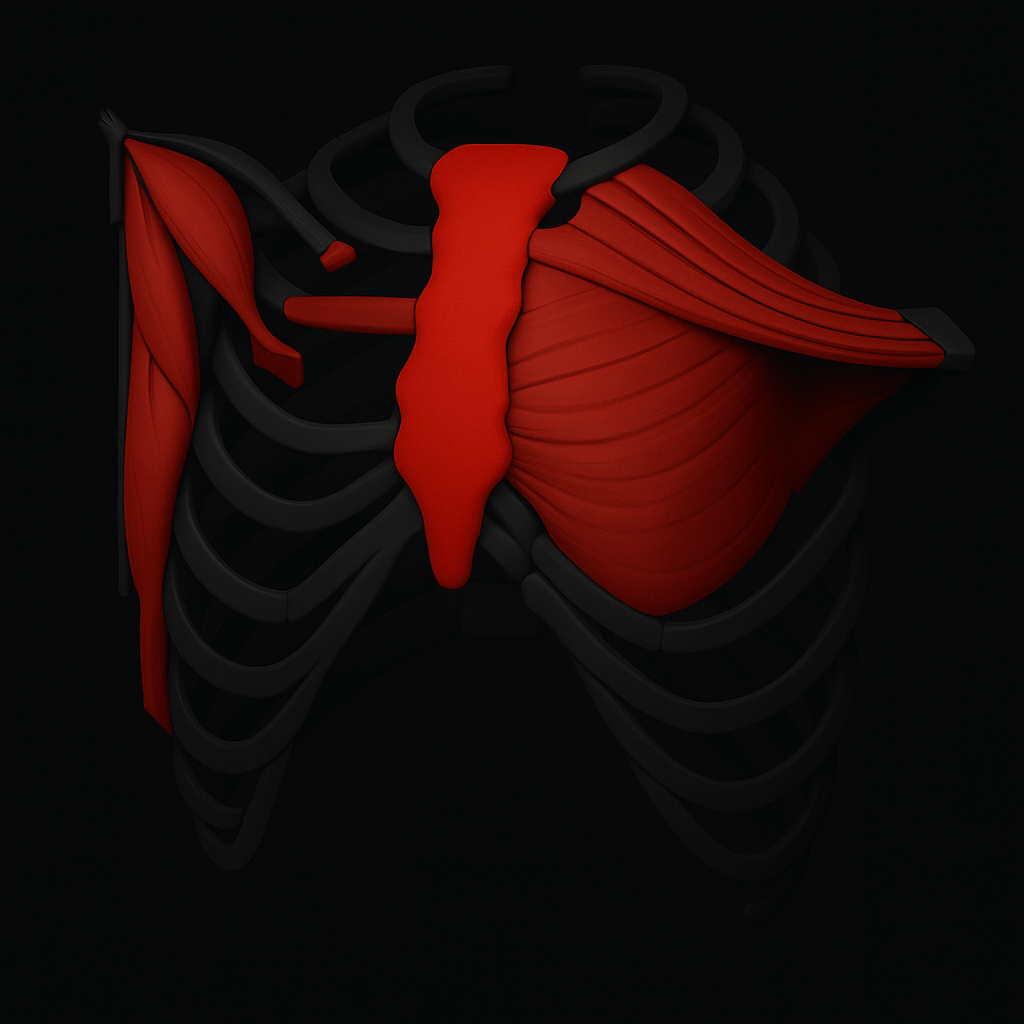
REAL TREATMENT SURGERIES
MINIMALLY INVASIVE SURGERIES
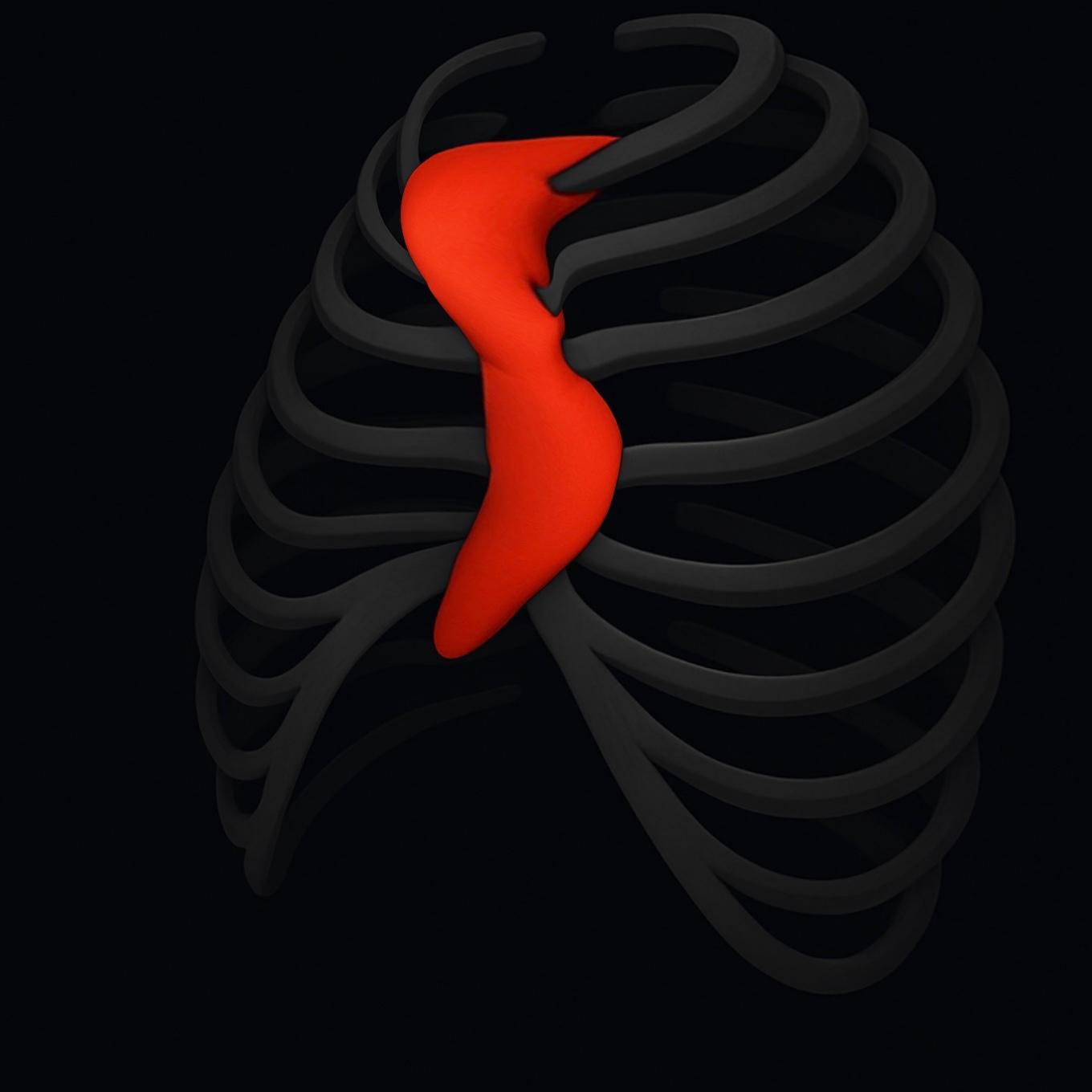
In minimally invasive chest wall surgery, different methods are considered for different deformities. The Wang, Wung, Wenlin and Willine procedures are among these options. We determine the suitable approach by evaluating the structure and flexibility of the rib cage together with any previous treatments.
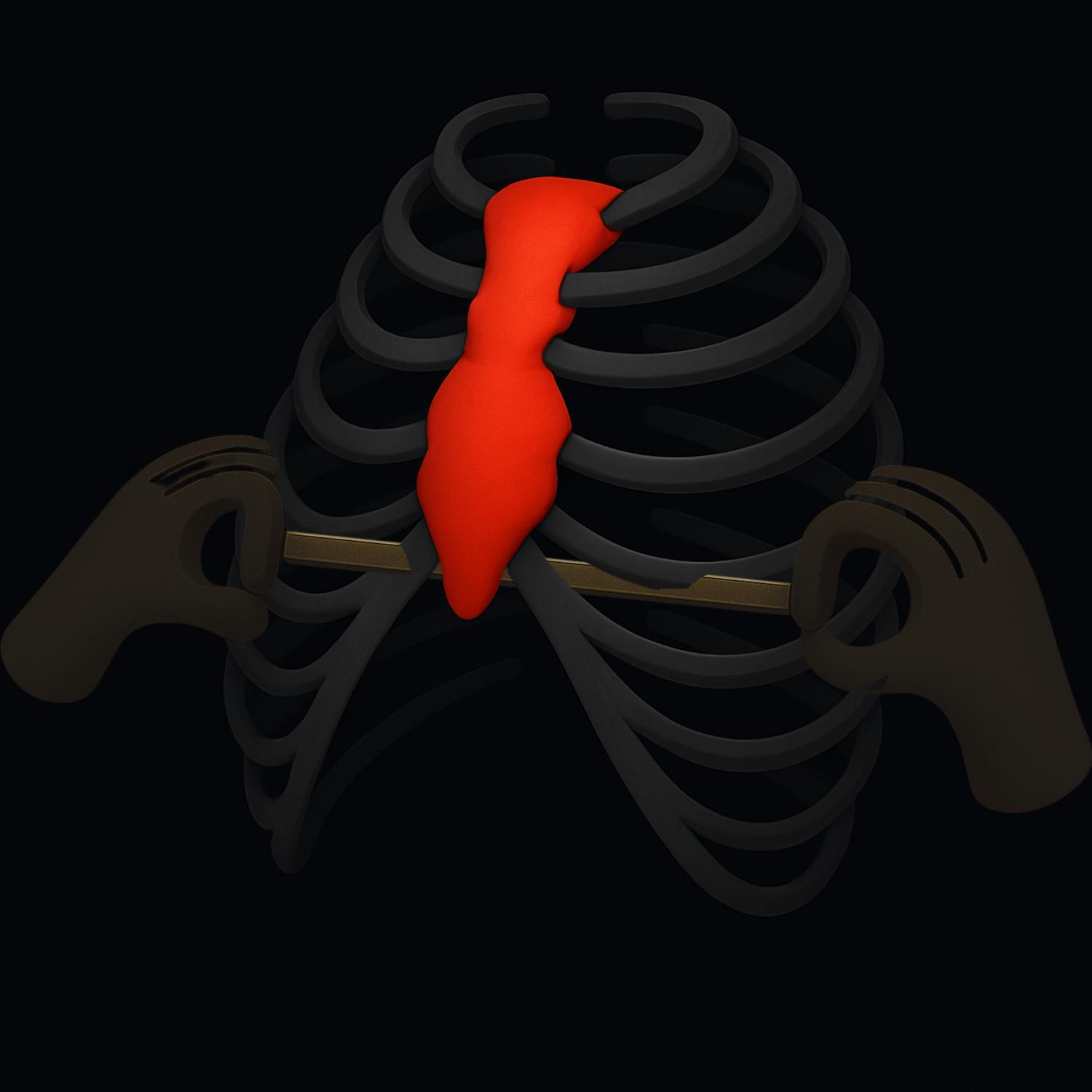
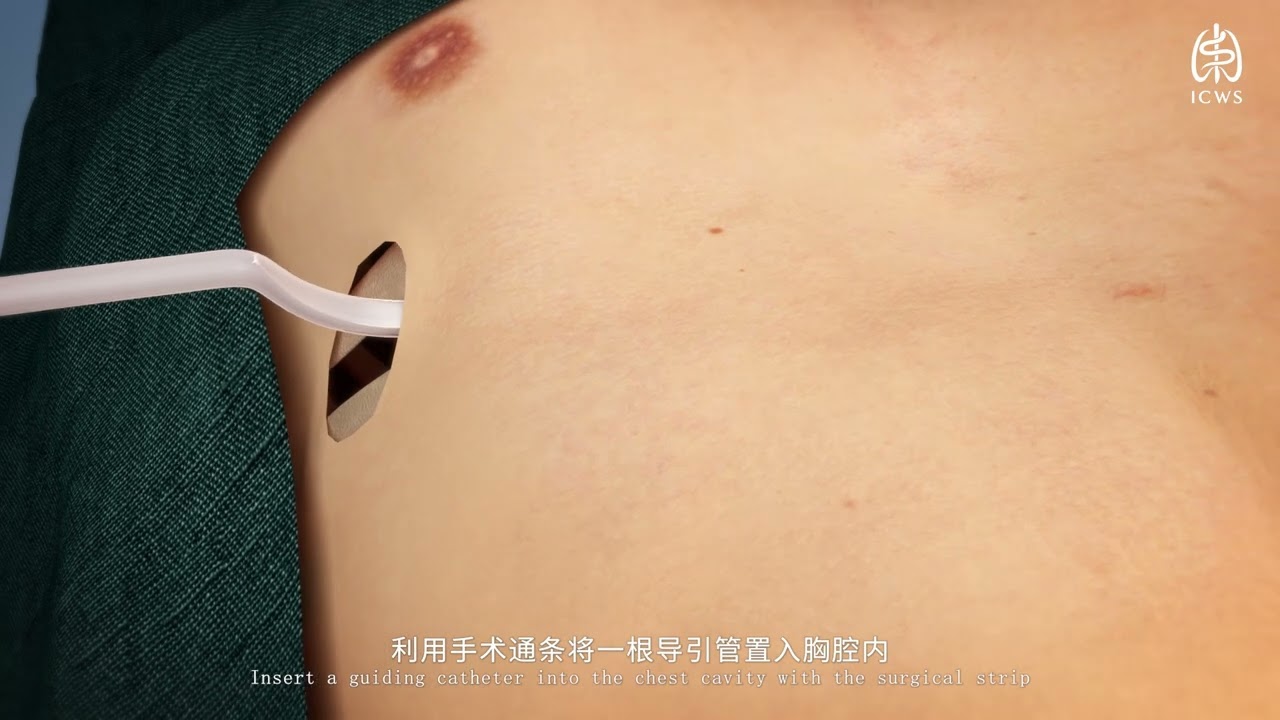
02 Wung Procedure
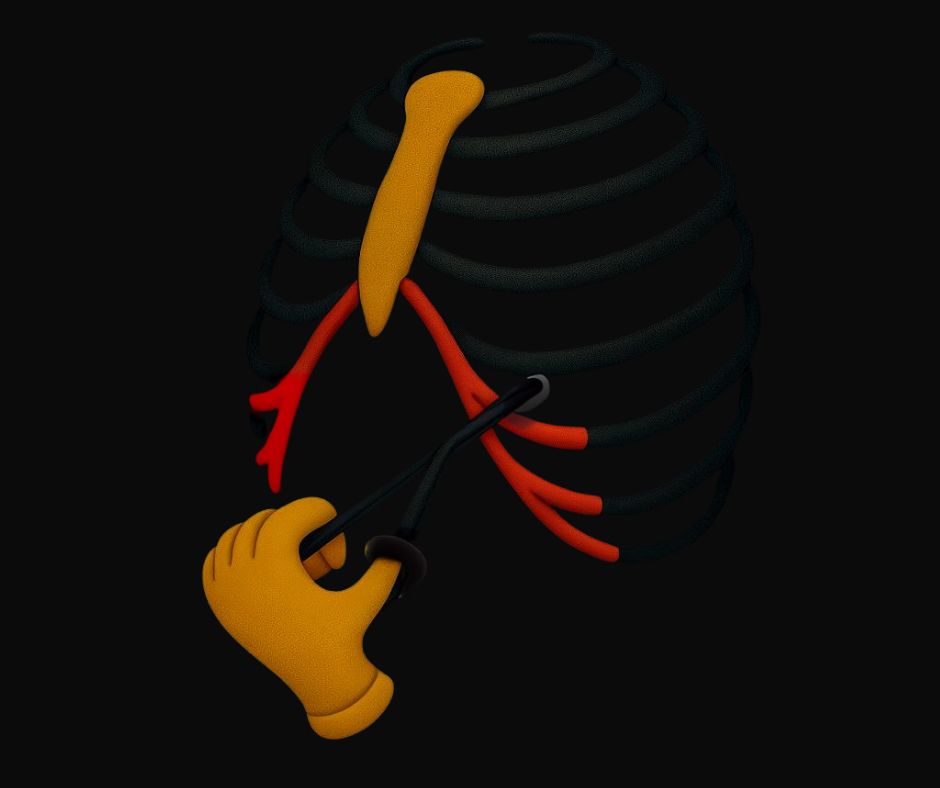
The Wung procedure is a pectus excavatum operation based on the Nuss principle. It aims to correct the depression with bars placed behind the breastbone. It includes special arrangements for placing and fixing the bar.
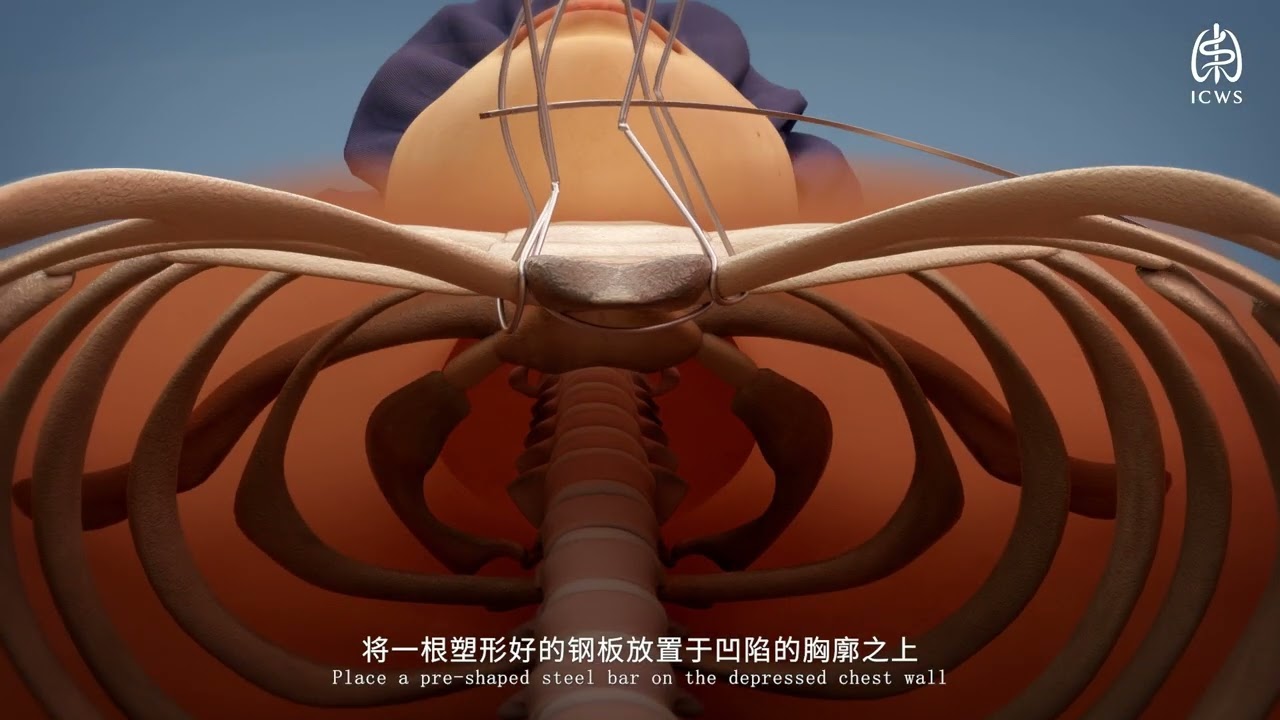
03 Wang Procedure
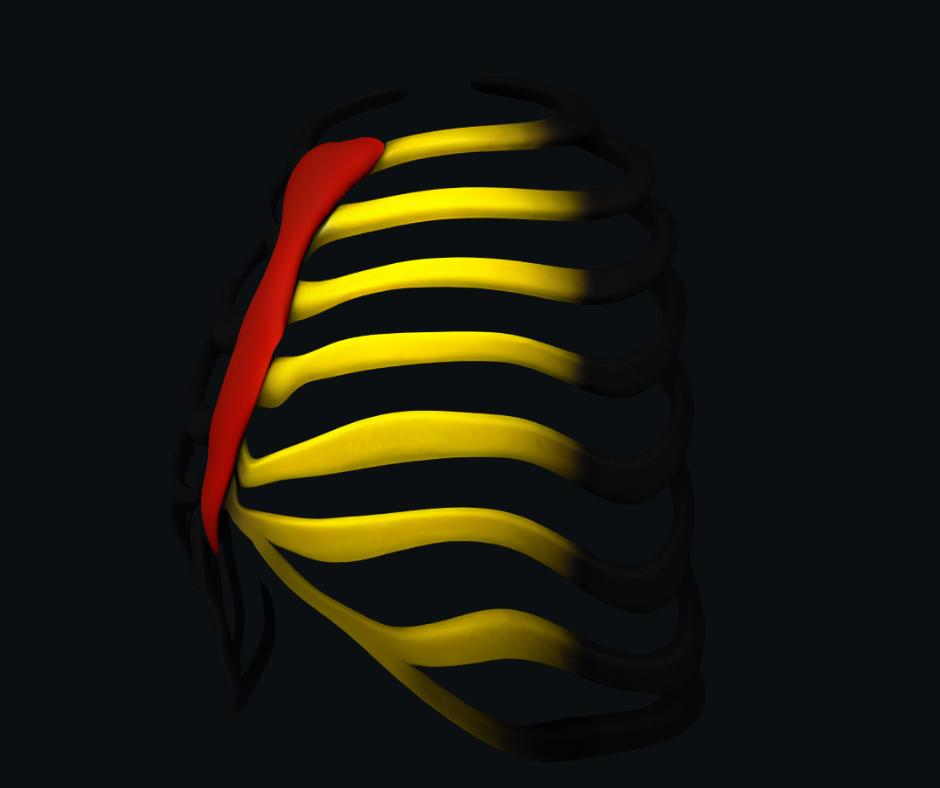
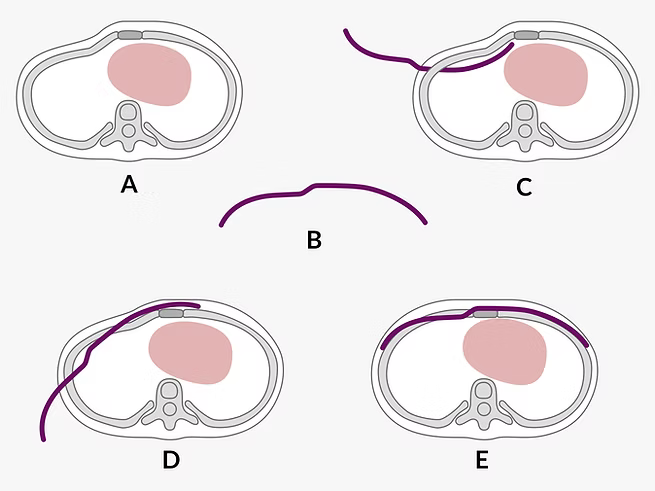
The Wang procedure aims to lift the depression in selected pectus excavatum patients with a bar placed in front of the breastbone. Suitability is evaluated according to the structure of the chest wall.

05 Wenlin Procedure
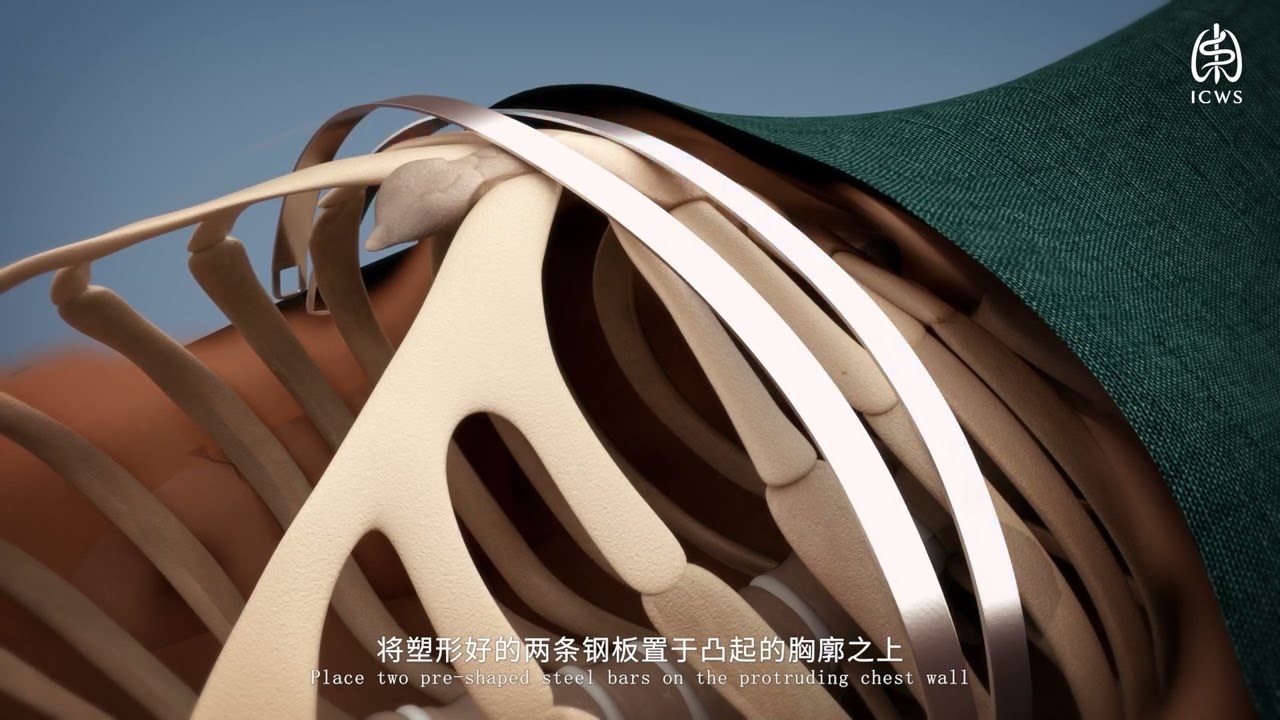
The Wenlin procedure aims to correct the protrusion in selected pectus carinatum patients with bars placed in front of the chest wall. It is evaluated together with orthosis and other surgical options.
07 Willine Procedure
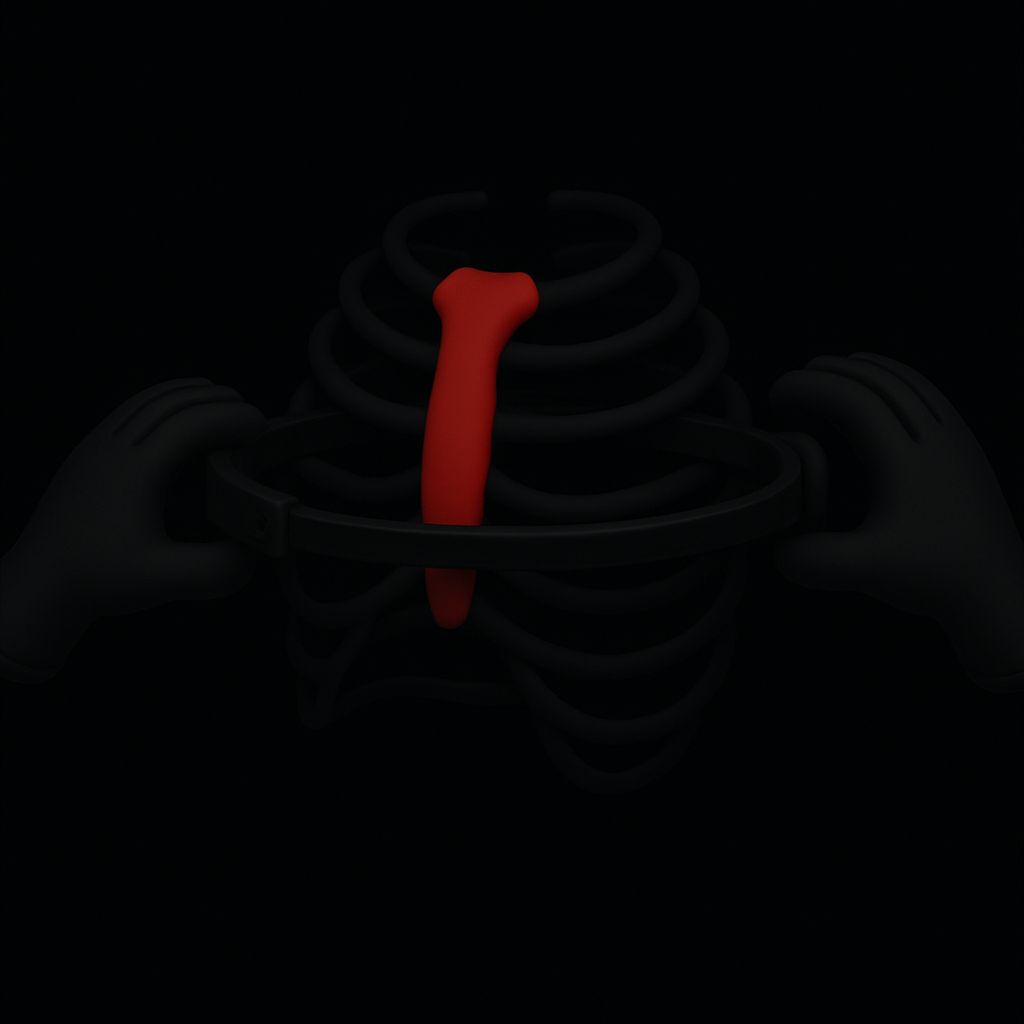
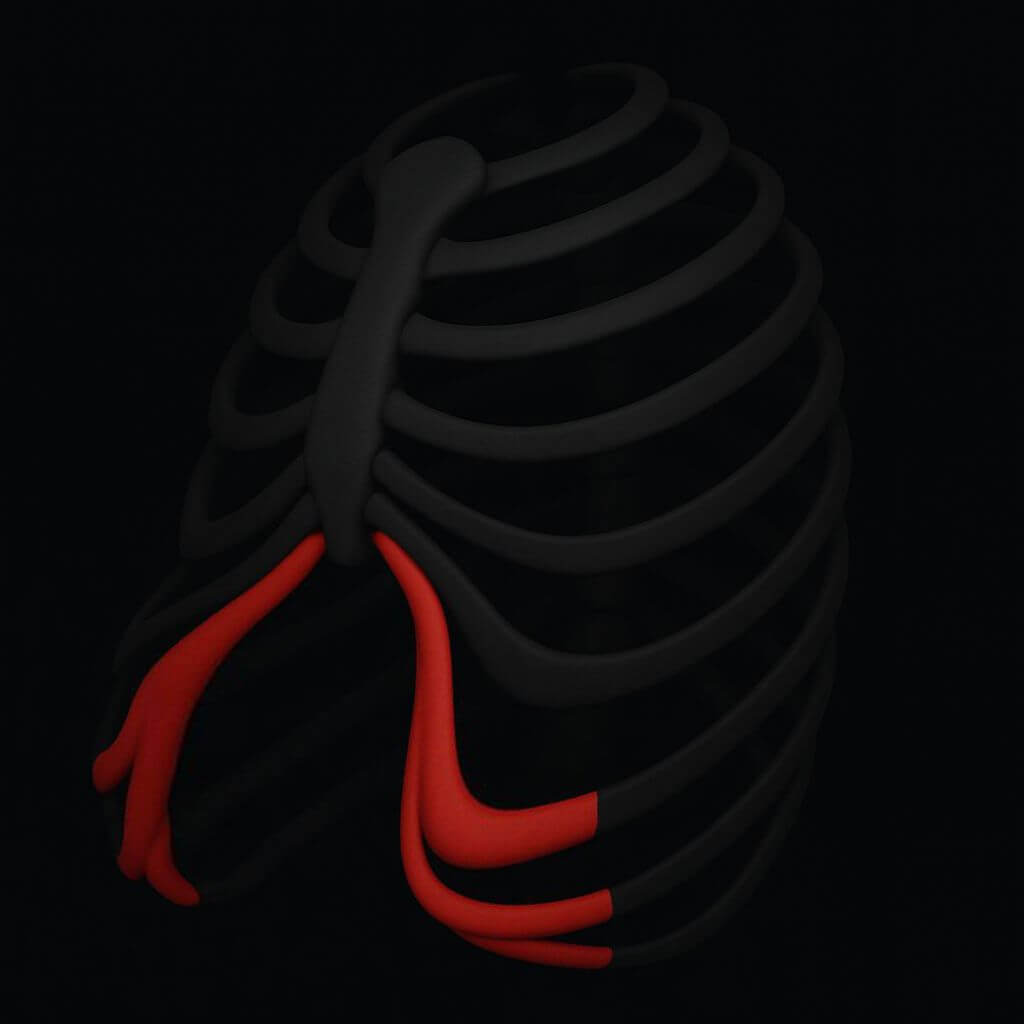
The Willine procedure is considered in selected chest wall deformities in which depression and protrusion occur together. It aims to correct shape irregularities in different regions of the rib cage together.
On-site training in Guangzhou
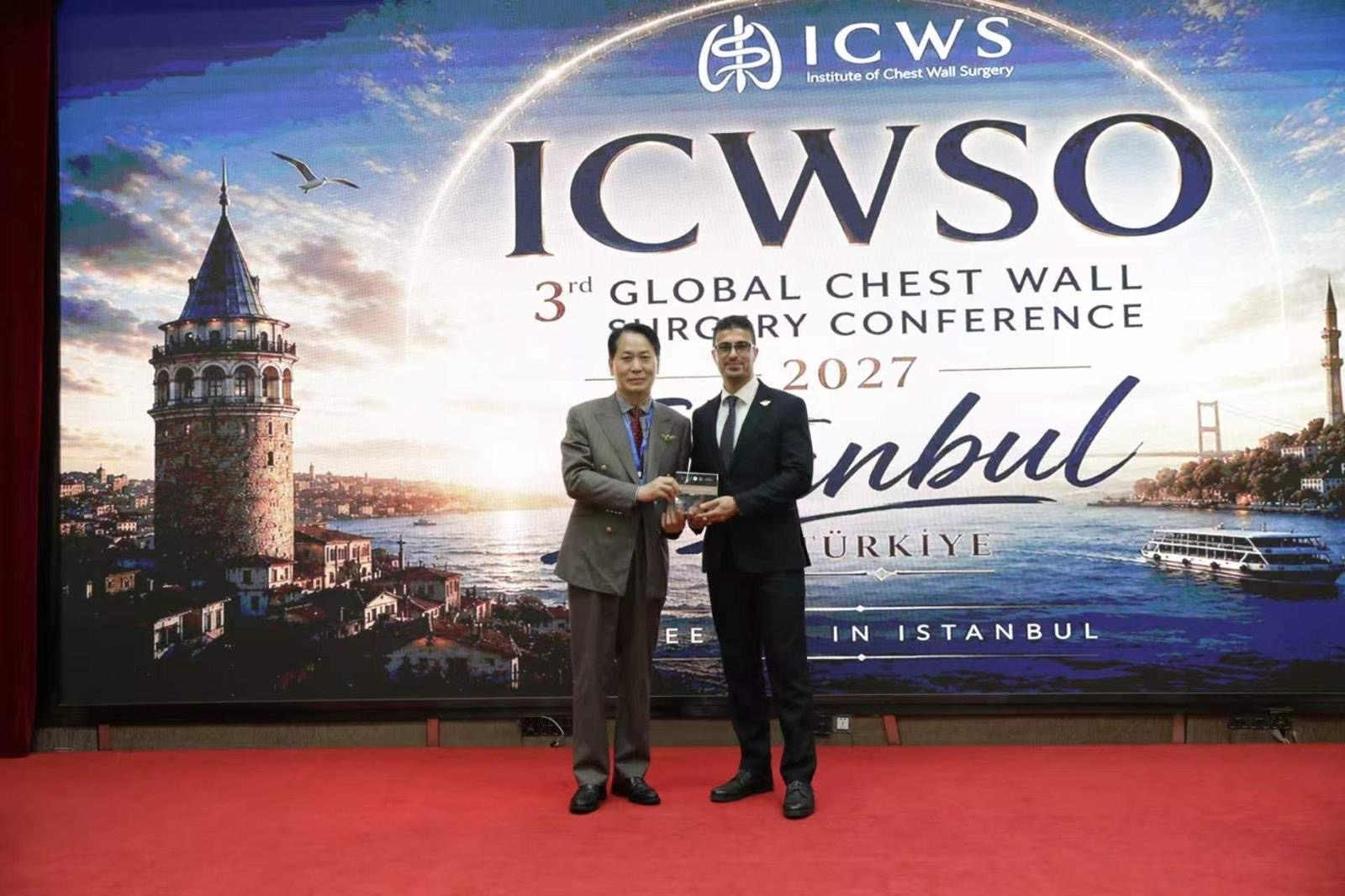
In July 2026, I visited Dr. Wenlin Wang’s center in Guangzhou and learned the Wang, Wung, Wenlin and Willine procedures directly from him. I take this knowledge into account, together with my existing chest wall surgery experience, when determining the appropriate treatment for the patient.